Tag: Mercedes Benz – new car reviews – pics – info – specs
Mercedes-Benz is one of the best-known European luxury automotive makers and a division of the Daimler AG German corporation. Mercedes-Benz provides a full line of luxury vehicles as well as large commercial vehicles: busses, coaches, pick-up trucks.
The company was started in 1883 under the name Benz &Cie but then switched to Daimler-Motoren-Gesellschaft. Finally, on 28th June 1926, the name Mercedes-Benz was appointed as the official denomination of the company.
Since its beginnings, which most point directly towards the very first gasoline-powered car, Mercedes-Benz has created a reputation for providing quality and durable products. Although there was a slight downfall between 2005 and 2007 in customer satisfaction in regard to product reliability, Mercedes-Benz managed to quickly rise again through the ranks by outstanding improvement.
Some of the first models produced under the Mercedes-Benz marque were the 1928 SSK racing car, the 1934 500K and the 1936 260D – also the first production vehicle ever to use diesel instead of gasoline. The nomenclature before 1994 featured an alphanumeric system denoting a sequence that indicated the approximate engine displacement multiplied by 100. After 1994, Mercedes-Benz cars adopted a system that mixed the chassis type into the model name.
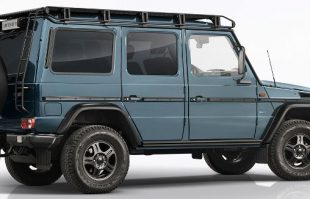
This way, the C indicates a coupe or cabriolet, although by exception, a sedan and station wagon is available for purchase. The E stands for either petrol fuel injection or electric, while the G represents the SUV and crossover line. The L denotes the long-wheelbase units and the R targets racing cars. There is also the S, or special class, dedicated to the brand’s flagship cars.
Mercedes-Benz currently provides ICE, hybrid and fully electric models within its lineup, while also setting the quality, comfort and luxury standard in flagship segment, competing directly against BMW’s 7 Series and Audi’s A8 models. Mercedes-Benz is also one of the first automotive companies to invest heavily in electric battery production, with 8 plants opened by 2015.
See below latest news about Mercedes cars!
New Mercedes Benz cars – see all about spects, opinions, quick reviews of the car and pics with every new model of Mercedes Benz.